
Deep Tissue Massage in Vancouver
Firm, focused massage for muscles that stay tight no matter how much you stretch, with pressure you control from start to finish.
What Is Deep Tissue Massage Therapy?
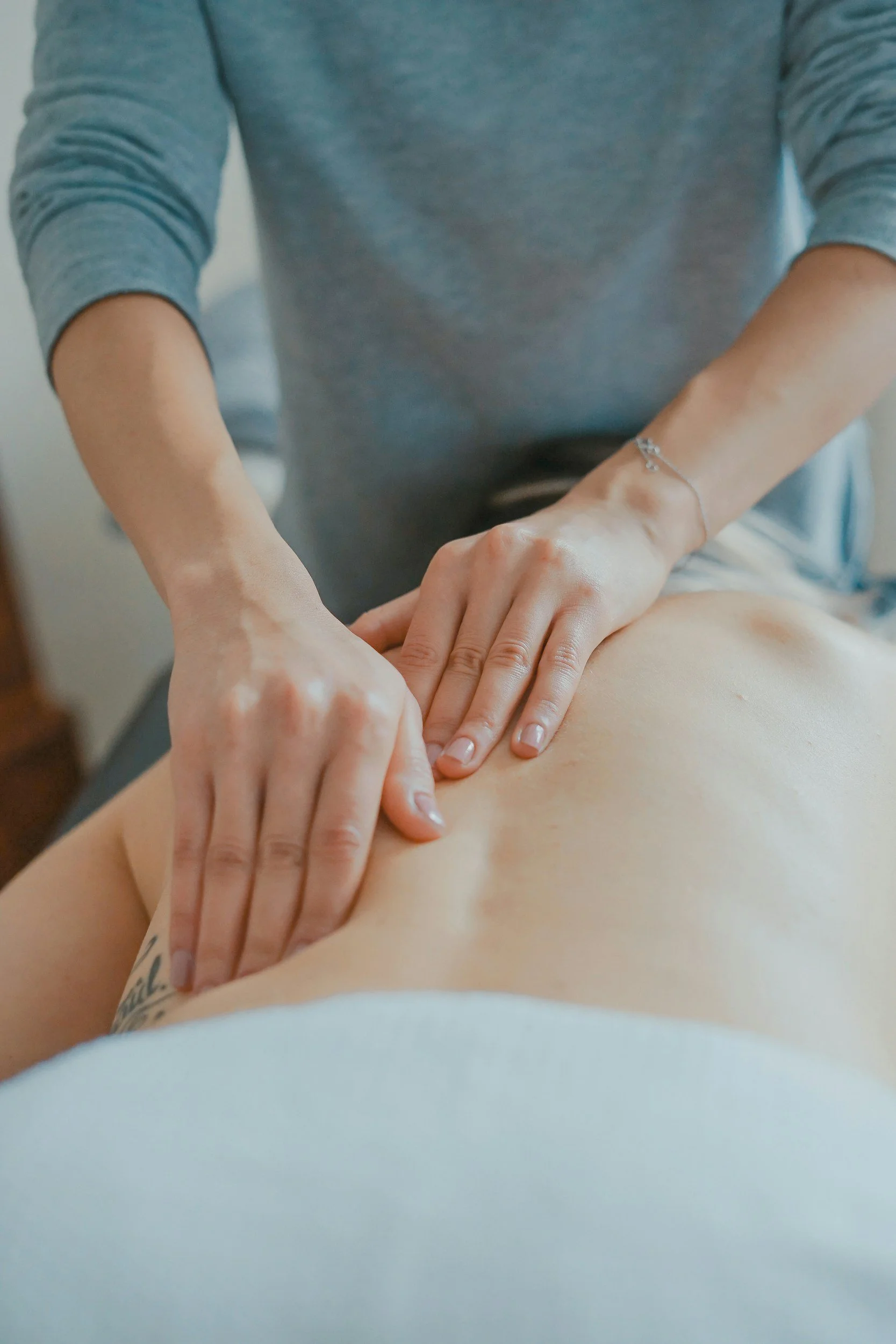
Deep tissue massage therapy uses slower strokes and firmer, sustained pressure. It works on the deeper layers of muscle and the fascia, the thin connective tissue that wraps around them. Your RMT may use thumbs, knuckles, or forearms as well as the hands. The session usually spends more time on a few areas than on the whole body, and the slow pace gives tight tissue time to respond.
Deep tissue massage is often a good match for:
Neck, shoulder, and upper back tightness from desk work, screens, or driving
A low back that aches after sitting, lifting, or training
Overused muscles from running, cycling, climbing, or repetitive tasks
Postural tension that returns within days of a lighter massage
Specific sore spots that feel tender when you press on them
Deep tissue work does not suit every situation. Tell your RMT about blood thinners, recent surgery, new injuries, or any condition affecting your skin, circulation, or bones. They may adjust the pressure, choose another technique, or suggest you check with your doctor first. If you are pregnant, let us know when you book and consider our prenatal massage, which is adjusted for pregnancy.
What Deep Tissue Massage Pressure Feels Like
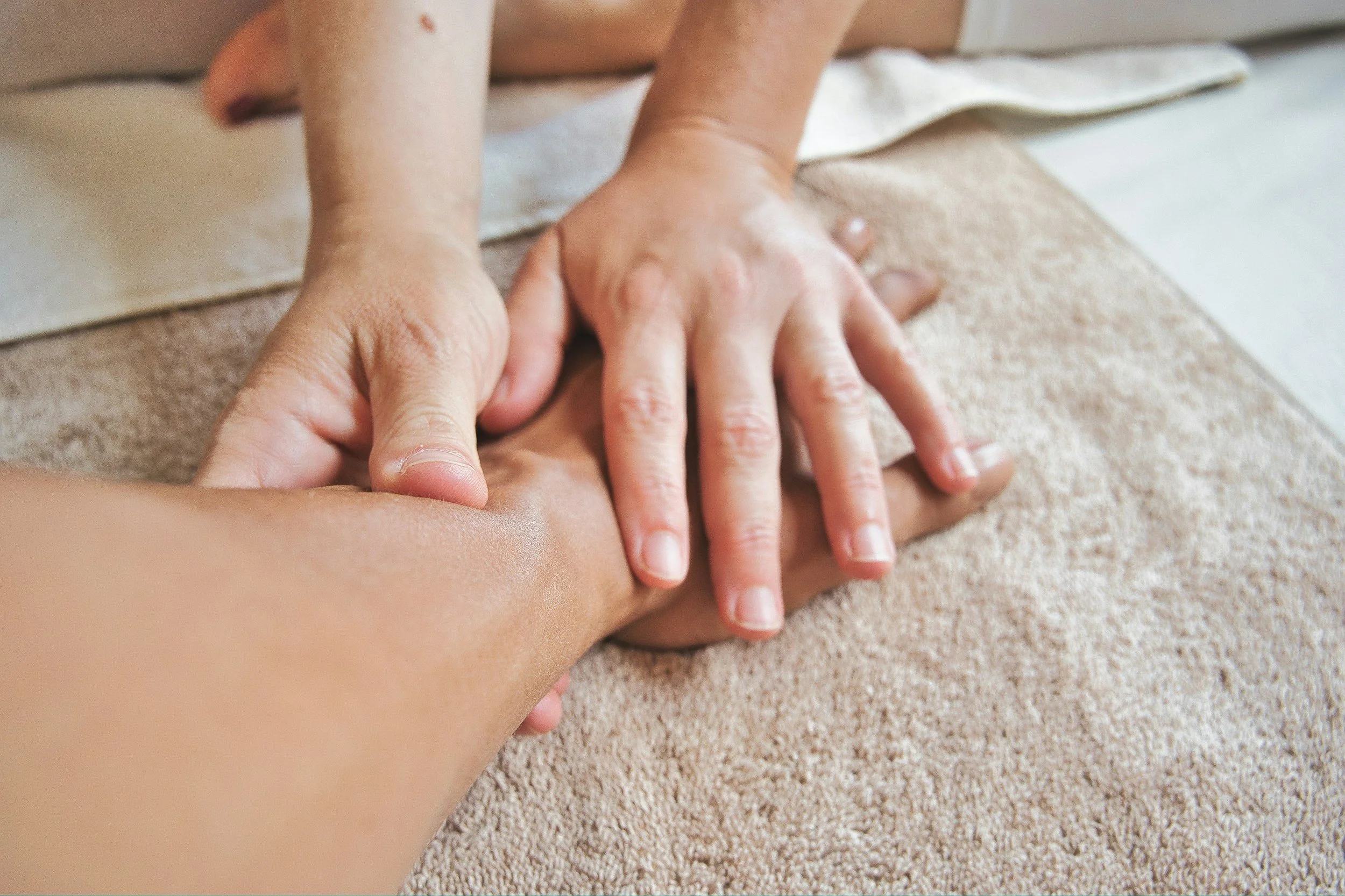
Firm does not have to mean painful. If this is your first deep tissue massage in Vancouver, expect strong pressure that feels a little intense in tight spots. Many people find the intensity settles as the muscle responds. Sharp, burning, or tingling sensations are a signal to speak up right away.
Your RMT may ask you to rate the pressure from one to ten, and you can change your answer at any point. Slow breathing often helps muscles stay receptive under firm pressure. If a spot is too sensitive, your RMT can ease off, work around it, or switch to a gentler technique until the area settles.

Our Deep Tissue Massage Approach in Gastown
Sue Hartling, Crystal Simser, and Whit Truong each offer deep tissue massage therapy as part of their practice. Sue has worked as an RMT for more than 15 years and often blends deep tissue with myofascial and neuromuscular techniques. Crystal has 14 years of experience and pairs deep tissue work with trigger point therapy and myofascial release.
Whit’s rehabilitative focus brings joint mobilizations and active stretching into the session when a stiff joint seems to be part of the picture. Because we are a small collective, each session is planned around what you tell us that day, in a calm setting that suits slow work.
What to Expect From Deep Tissue Massage
Assessment
Your RMT starts by asking where you feel tight, what makes it worse, and what you have already tried. You will also be asked about injuries, medications, health conditions, and how firm you like pressure. For some areas, your RMT may watch how you move before deciding where to focus.
Treatment
Undress to whatever level feels comfortable. A sheet covers you throughout, and your RMT uncovers one area at a time. Treatment usually begins with lighter strokes to warm the tissue, then moves into slow, sustained pressure on the areas you flagged. Expect time to be spent on a few areas instead of an even tour of the whole body.
Aftercare
After deep tissue massage therapy, some people feel a dull ache for a day or two, similar to the day after a workout. Drinking water, moving gently, and a warm bath may help you feel more comfortable. Contact your RMT or doctor if you notice sharp pain, bruising, numbness, or soreness that keeps growing.
Benefits of Deep Tissue Massage You May Notice
People who book deep tissue massage in Vancouver often mention some of the following:
Less tightness in the treated muscles, such as the neck, shoulders, or low back
A little more ease when you turn your head, reach overhead, or bend forward
Relief from the dull ache of postural strain after long stretches of sitting
A clearer sense of which areas hold tension, so you can plan around them
Support for recovery between workouts when your muscles feel heavy and sore
Frequently Asked Questions
-
Swedish massage uses flowing strokes and lighter pressure to ease stress across the whole body. Deep tissue massage uses slower, firmer pressure on specific areas of chronic tightness. If you are unsure, add a note when you book and your RMT can guide the choice.
-
It depends on what you are working on. Some people book once to settle a flare-up, while others return every few weeks to keep tension manageable. Your RMT can suggest a rhythm after seeing how your body responds.
-
We offer 45, 60, 75, and 90 minute sessions. A 60 minute session often suits one or two areas, and a longer session gives time for more areas or slower work. Current rates are on our rates page.
-
Any of our three RMTs can provide deep tissue massage therapy. Choose whichever of Sue, Crystal, or Whit has a time that suits you, and mention your problem areas in the booking notes.
-
No. You can book deep tissue massage in Vancouver directly with a Registered Massage Therapist in BC. Some extended health plans ask for a doctor’s note before they reimburse, so check your benefits first.

Ready to Book Deep Tissue Massage?
If a stubborn area of tension has been following you around, deep tissue massage in Vancouver may be a practical next step. Book online with Sue, Crystal, or Whit, and add a note about where you feel tight so your RMT can plan your time.